Mowing
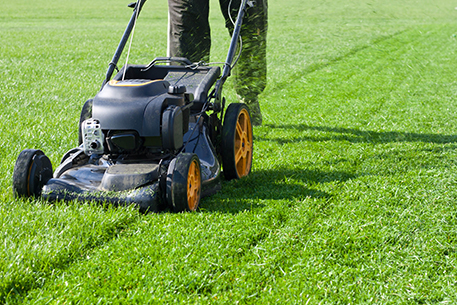
As the weather starts to change and the temperatures begin to fall, the rate at which your lawn grows will also fall. This will mean that your lawn will need mowing less frequently. Increase the cutting height of the blades as winter approaches.
Leaves
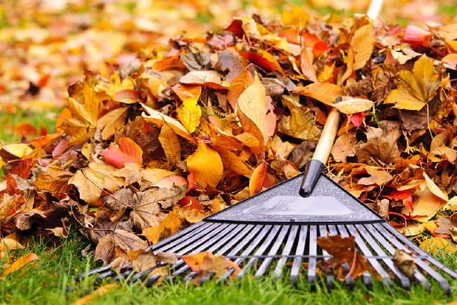
Remove fallen leaves from your lawn either with your lawn mower or by raking. When leaves rot down they produce an acid that weakens the turf. They also obscure light and air from the grass plants that can lead to fungal disease or rotting of the grass plants.The lighter weight metal edging that can be purchased from some Garden Centres. The edging is pre-cut to length, usually in 1 metre lengths, which clips together to form a continuous edge. It is relatively easy to install, but not as durable as steel and not as visually pleasing as steel edging.
Feeding
At this time the lawn growth slows down, but it will require nutrients which are still essential to its growth. We recommend feeding your lawn using Teal Turf fertiliser every 6 weeks during the growing season.
Repairs
Depending upon the wear and tear which your lawn has received over the previous months you may want to overseed the lawn in early autumn. The seed will germinate ahead of winter and give a thicker, denser lawn the following season.
Dealing with Pests
You will notice that worms will be active at this time. They improve the nutrient content of the soil and are beneficial to the soil structure. Although unsightly the worm casts are best left to dry and then swept or brushed away with a stiff broom. Leatherjackets are among the worst pests for lawns; an application of Provado applied in the autumn will protect your lawn for the next year.
Aeration
Aerate compacted areas of the lawn with a hand fork or spiking machine. This will improve drainage and allow more air into the root system, creating a healthier lawn.